15. Splitting a job with your team
15.1 The situation this chapter covers
Section titled “15.1 The situation this chapter covers”You take a job directly from a client, then pay part of the fee to teammates — a designer or a developer — who help you deliver it. This is a common shape of work for a Thai freelancer.
The simplest-looking approach is to record only your own share of the income, because the rest “is not yours” — or to shrink the invoice down to your share alone. This is wrong, and it makes the project profit figure, the core number Ezer reports, unreliable with no warning anywhere.
When you record only your own share, the income figure stops matching the 50 ทวิ the client issues in your name for the full amount, and the real payments to your team disappear from the system — leaving no evidence for an actual-expense tax deduction later. This is a quiet problem: you find out only when the documents and the figures disagree, often the following year.
The correct way uses what Ezer already has — no new document, no new mechanism. Record the full contract amount as sales income, and record each payment to a teammate as a separate expense. Project profit then comes out correct on its own: full income minus expenses, teammate payouts included.
15.2 One 50 ทวิ in your name, for the full amount — record the full income
Section titled “15.2 One 50 ทวิ in your name, for the full amount — record the full income”This does not need you to declare your intent — it follows from the document the client actually gives you, which Ezer already keeps. When the client issues one 50 ทวิ in your name alone, for the full contract amount, the whole amount is your income as a matter of law.
In that case, issue the project invoice and receipt for the full contract amount — not for the amount left after you set aside your team’s share.
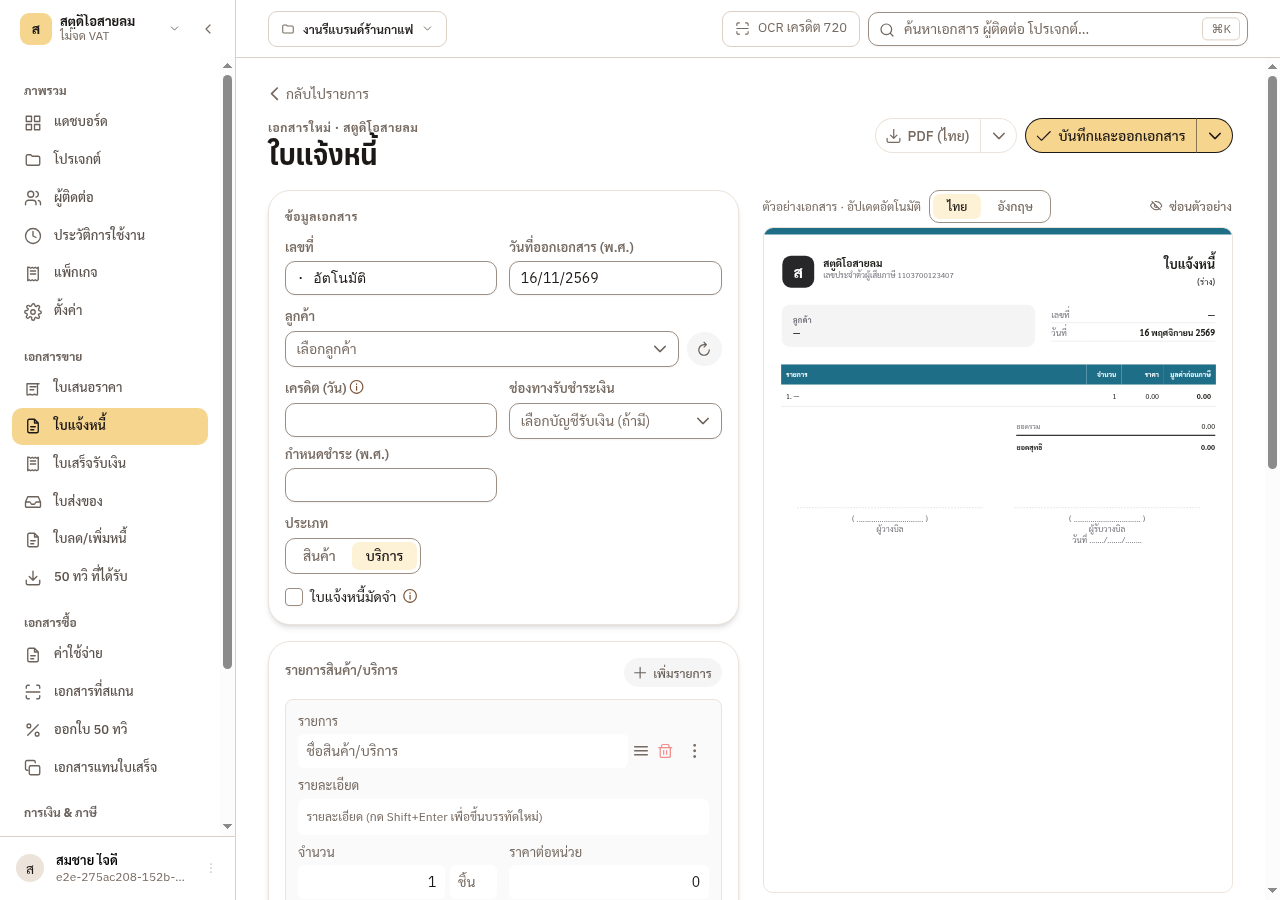
Figure 15-1: A new invoice with its project already attached — fill in the full contract amount here, not your share of it.
Then record each payment you make to a teammate as an expense of the same project, one line per person.
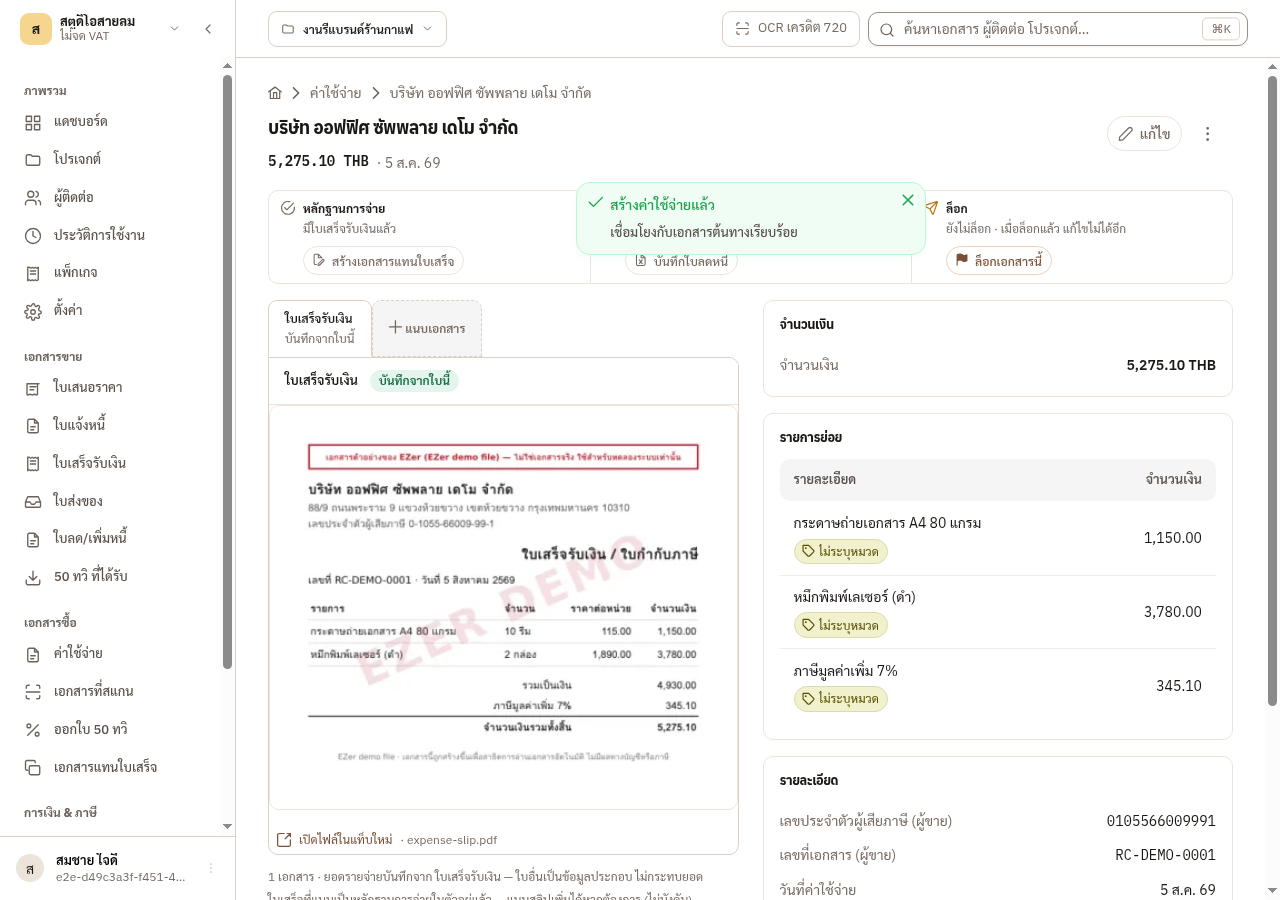
Figure 15-2: A payment to a teammate, recorded as an ordinary expense with the payment evidence attached.
15.3 A teammate who is an individual — you withhold tax on the payment
Section titled “15.3 A teammate who is an individual — you withhold tax on the payment”When the person you pay is a natural person, the payment falls under section 50 of the Revenue Code, which makes the payer responsible for withholding tax before paying. As the one engaging the teammate, this duty is yours — not optional.
Ezer can issue the 50 ทวิ for a teammate straight from the same expense you used to record the payment — there is no separate place for this.
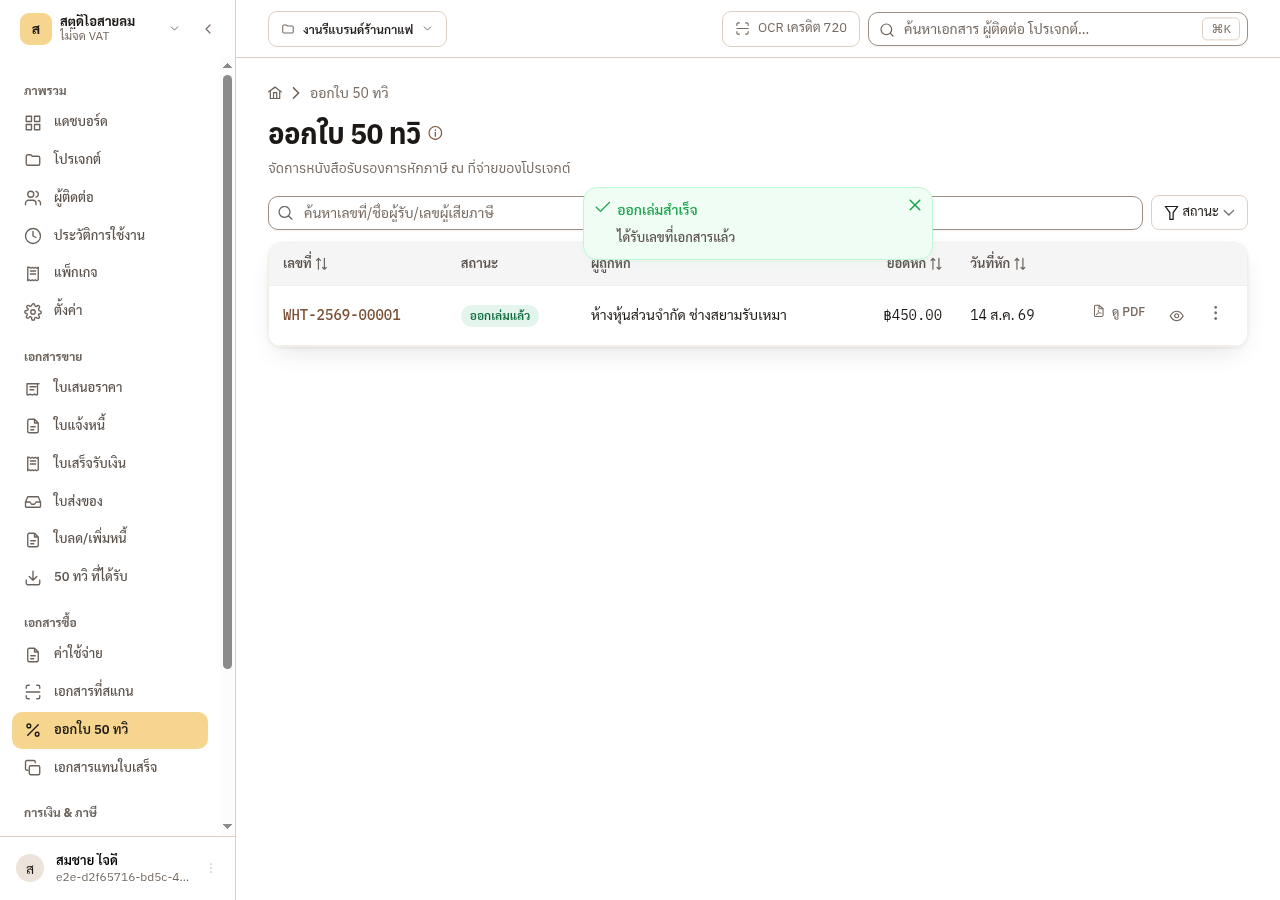
Figure 15-3: The withholding-tax certificate, issued from the expense that recorded the payment to a teammate.
15.4 When the client issues a separate 50 ทวิ per person
Section titled “15.4 When the client issues a separate 50 ทวิ per person”Some clients issue a separate 50 ทวิ directly to each person on the team, instead of one certificate in your name for the full amount. In that case, each person’s income is the amount stated on their own 50 ทวิ.
You record only the portion issued in your own name as project income. The portion issued in a teammate’s name is neither your income nor your expense from the start, because that money never passed through your hands as an accounting matter.
15.5 Summary
Section titled “15.5 Summary”Pick how to record based on the 50 ทวิ you actually received
- One 50 ทวิ in your name, for the full amount — record the full amount as sales income, and record each payment to a teammate as a separate expense.
- A teammate who is an individual — withhold tax under section 50 and issue them a 50 ทวิ from the same expense.
- A separate 50 ทวิ for each person — record only the portion in your own name as income; a teammate’s portion is not yours to record.